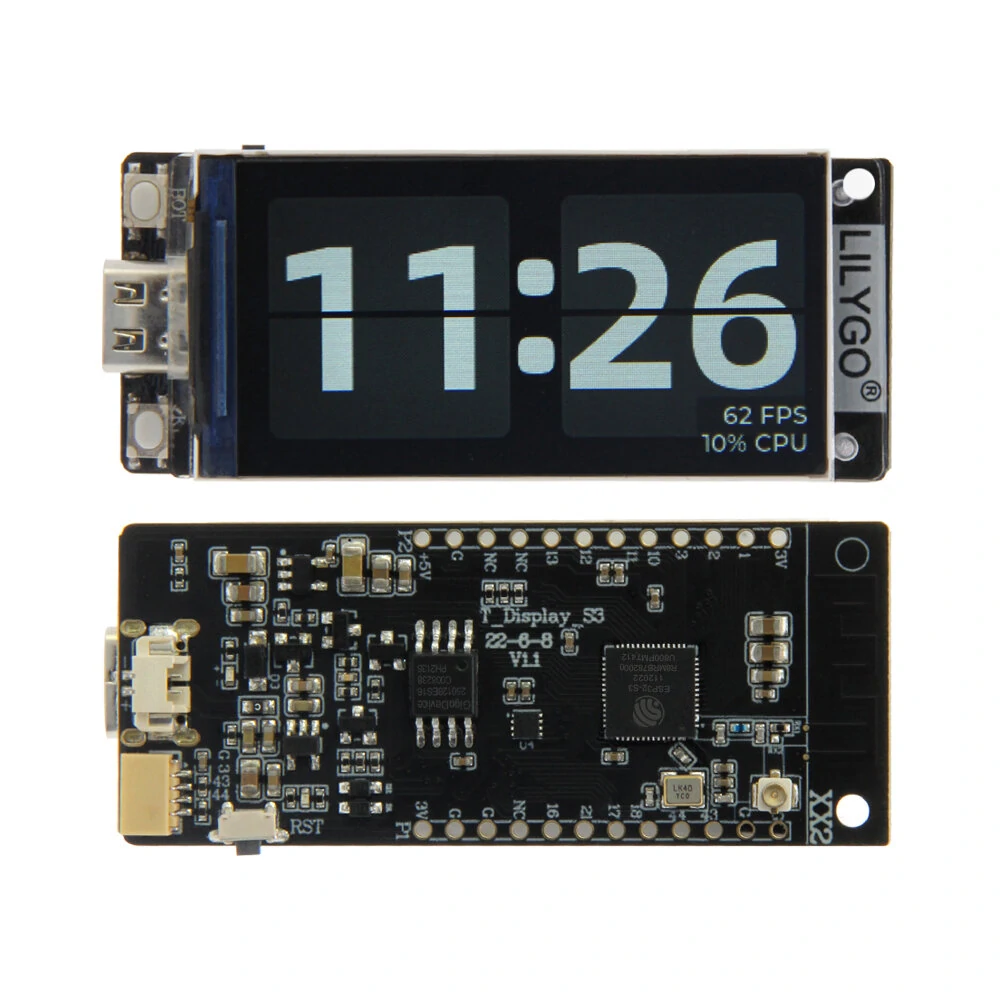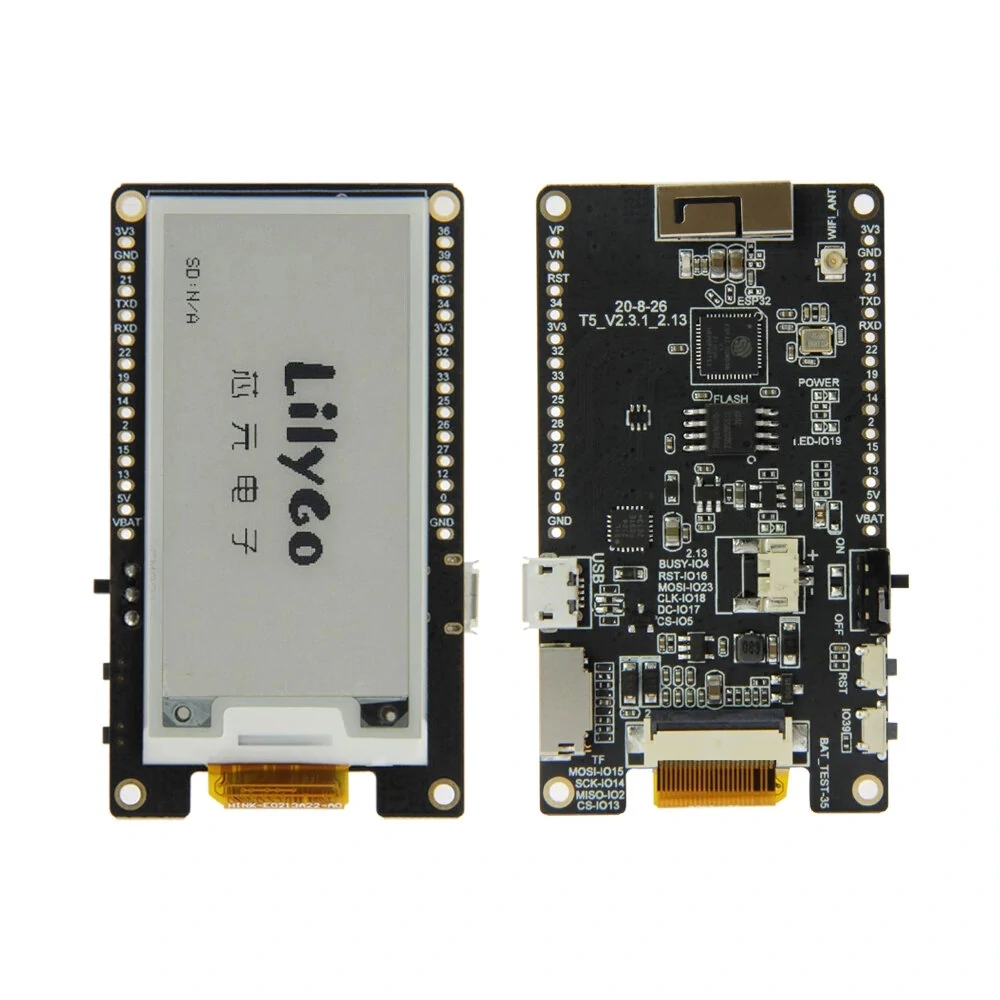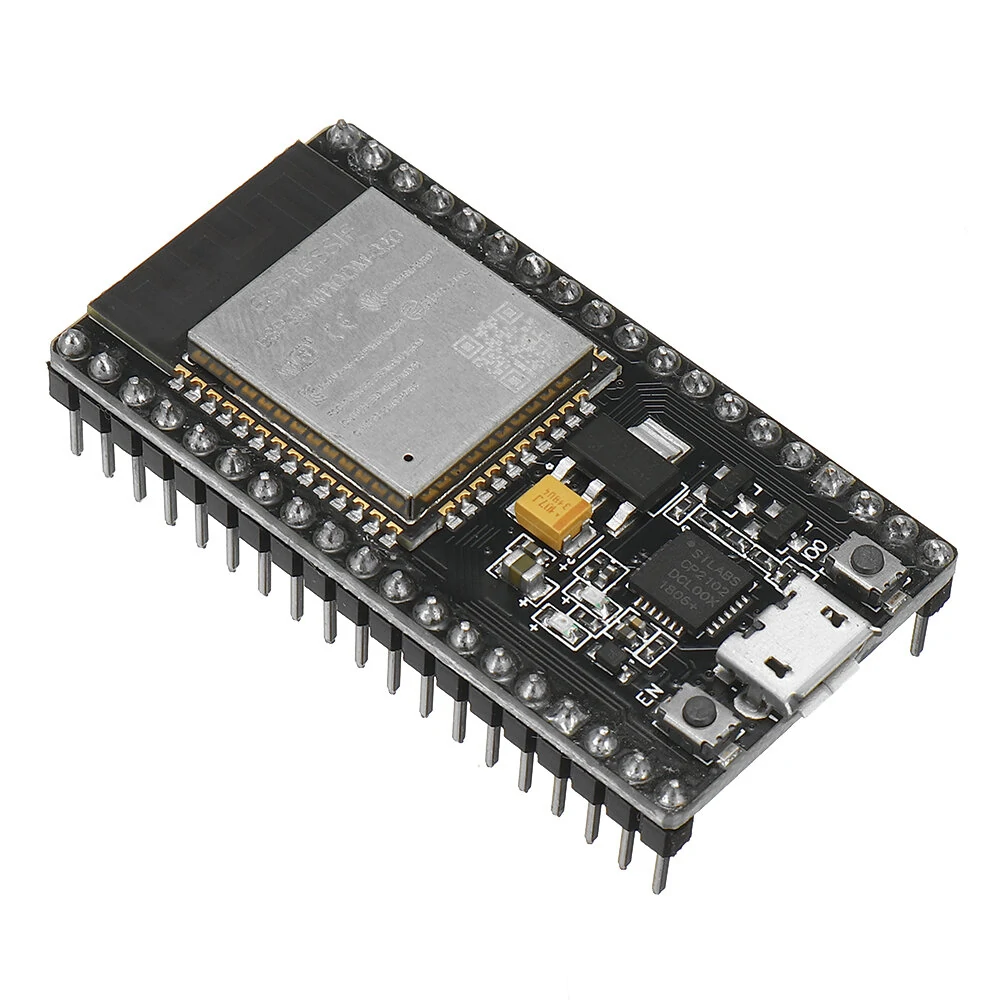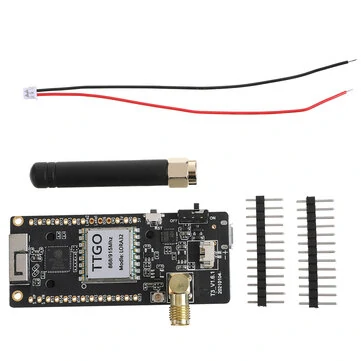

1 / 4 · Click to enlarge
The LILYGO T-Halow V1.0 859- 894MHz 875M Saw by LILYGO is a mid-range iot development boards designed for everyday users. It features Item Type: Development Board and Model No. / Name: T-Halow V1.0.
Available Offers
Free Delivery on this order. No minimum order value.
15-Day Easy Returns — hassle-free return & full refund.
Secure Payment — 100% safe checkout with UPI, Cards & Net Banking.
Available Offers
5% Cashback
Pay with UPI & get 5% cashback (up to ₹50) via Razorpay
No-Cost EMI
Available on select bank cards at checkout. 0% interest for 3 months.
Free Shipping
Free delivery on all orders. No minimum order value.
Cash on Delivery
COD available on orders up to ₹5,000 across India.
Quick Specs
Ideal For
About This Product
The LILYGO T-Halow V1.0 859- 894MHz 875M Saw by LILYGO is a mid-range iot development boards designed for everyday users. It delivers reliable performance at an accessible price.
Key Specifications
- Item Type: Development Board
- Model No. / Name: T-Halow V1.0
- RAM: 8MB — effortless multitasking
- ROM Capacity: 16MB — plenty of room for files, apps, and media
- Processor Type: Xtensa Dual-Core 32-bit LX7 — smooth, lag-free performance
- Microcontroller: ESP32-S3
- Storage Capacity: TF-Card Slot — plenty of room for files, apps, and media
- Clock Speed: Up to 240MHz — smooth, flicker-free operation
Why Buy from Elecvora?
Elecvora sources this product directly, cutting out multiple middlemen. Every order includes free shipping, a 15-day return policy, and secure payment via Razorpay.
The LILYGO T-Halow V1.0 859-894 MHz 875M Saw a powerful development board designed for long-range, low-power wireless communication in the 859–894 MHz band with an 875M SAW filter. Powered by the advanced ESP32-S3, this board combines robust connectivity (Wi-Fi + Bluetooth 5 LE) with ample memory (16MB Flash + 8MB PSRAM) to meet the needs of hobbyists, students, and engineers alike. Whether you're building IoT applications, experimenting with Meshtastic, or prototyping LPWAN networks, the T-Halow offers flexibility and reliability

Pin Diagram

Features:
- Wide Frequency Support: Operates in the 859–894 MHz range with an 875M SAW filter.
- High-Performance MCU: Built on the ESP32-S3 for edge AI, wireless, and more.
- Large Memory Capacity: 16MB Flash and 8MB PSRAM.
- Wireless Protocols: 2.4 GHz Wi-Fi and Bluetooth 5 (LE).
- Multi-platform Support: Compatible with Arduino IDE, VS Code, and ESP-IDF.
- Expanded Onboard Features: Includes TF-card slot and BOOT + Reset buttons.
- 18650 Battery Support: Portable, low-power applications made simple.
Package Includes:
1 x LILYGO T-Halow V1.0 859- 894MHz 875M Saw
1 x Accessory Set